


1. Where opportunity meets challenge
| Gaps in digital readiness
According to the Report on the State of the Digital Decade 2023 by European Commission,* more than 90% of European jobs require basic digital knowledge alongside traditional skills like literacy and numeracy. However, approximately 32 % of Europeans still lack basic digital skills, creating barriers to education, employment, and personal development—especially among young people.
| Xiaomi's commitment to an inclusive future
Guided by the vision to "let everyone in the world enjoy a better life through innovative technology," Xiaomi is working to make access more equitable.
The Bridging the Digital Divide in Education initiative was born from this commitment—bringing technology and digital learning into communities where resources are scarce, and in doing so, opening pathways for the next generation to flourish in a world increasingly shaped by technology.
*Source: The First State of the Digital Decade Report, 2023. For more information, visit Digital Literacy in the EU - Overview.
2. Transforming commitment into impact
| Innovation put to purpose
Xiaomi contributes its expertise in smart hardware and IoT technology by joining the Scientix STEM Alliance, a Europe-wide initiative focused on strengthening STEM education.
By aligning technology with learning, Xiaomi channels resources into classrooms where access is limited, helping teachers and students build confidence in their digital future.
| Stories that reveal everyday challenges
In the first half of 2025, Xiaomi supported the STEM Discovery Campaign in identifying schools, science clubs, and educational centers across Europe with limited access to technology.
-
700,000 educators and students reached: The campaign engaged a broad network of schools, libraries, STEM centers, and clubs across Europe.
-
51 educator stories collected: Firsthand accounts shed light on the everyday barriers schools face in accessing and using digital tools effectively.
| Insights that guide the way forward
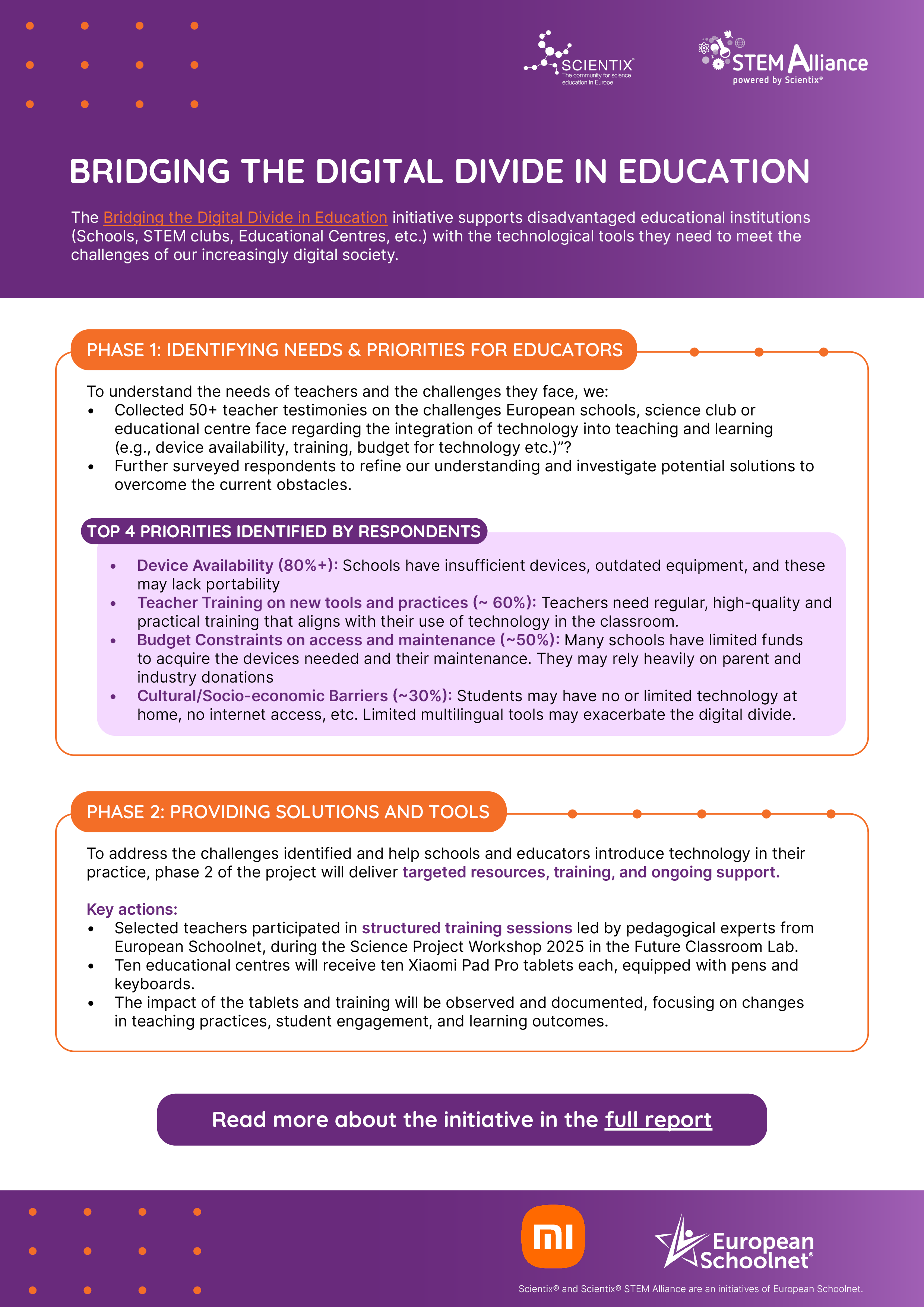
A research report commissioned as part of this initiative demonstrated the everyday challenges that educators face in trying to bring digital learning into their classrooms.
-
Device shortages: Over 80% of educators cited limited access to devices as a major challenge. Many mentioned outdated hardware, not enough devices to go around, and a lack of portable tools for flexible learning.
-
Training gaps: Around 60% reported insufficient access to practical, hands-on, high-quality training opportunities in digital teaching.
-
Funding limits: Nearly half rely on external grants, outdated donations, or personal funds to meet technology needs.
-
| Learning through shared practice
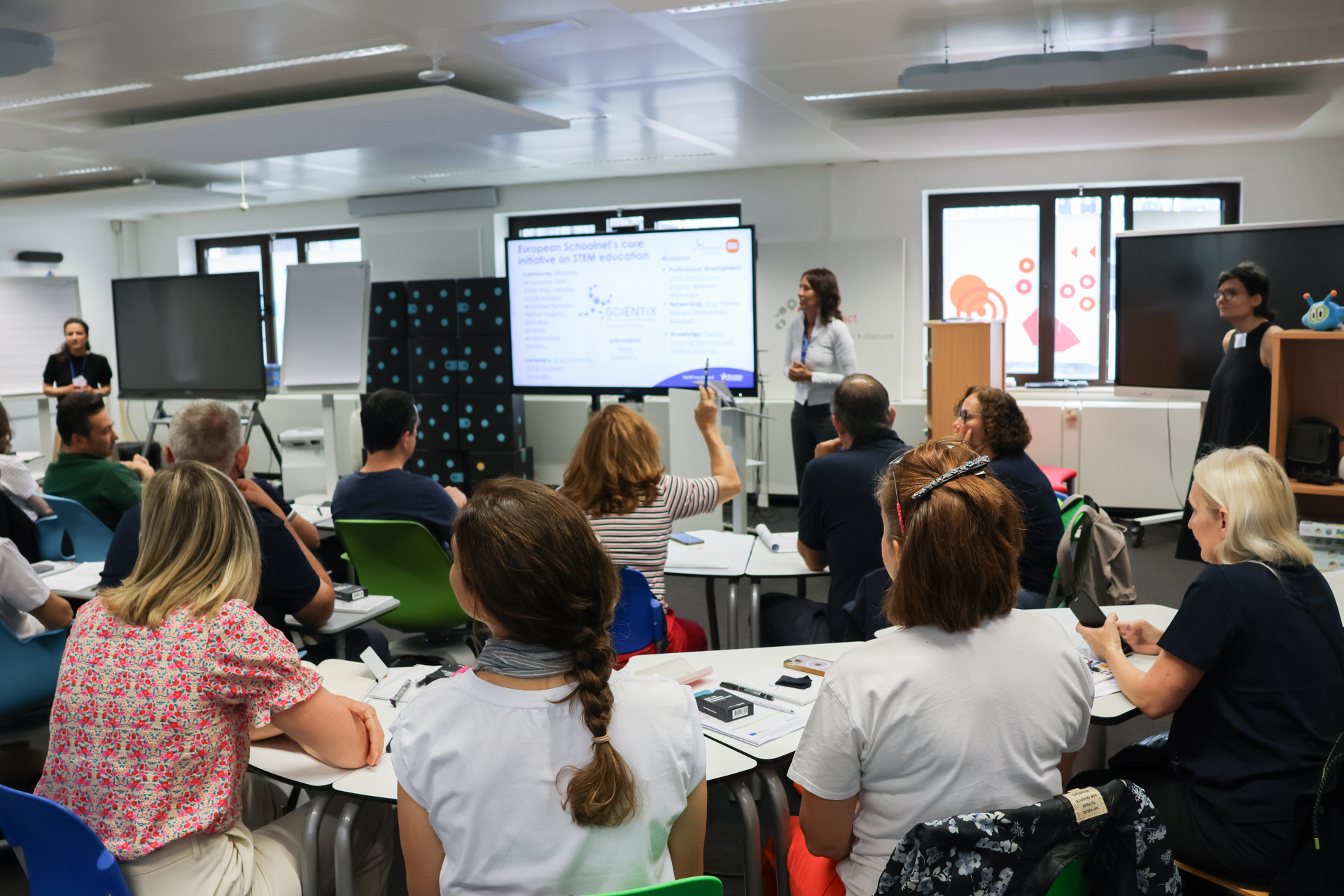
In June 2025, 19 educators from 10 institutions took part in two hands-on sessions at the Science Projects Workshop, held at the Future Classroom Lab in Brussels. Training focused on using Xiaomi tablets in teaching, with peer-to-peer exchanges and lesson planning exercises that built confidence and practical skills ahead of classroom rollout.
| Learning through shared practice
In June 2025, 19 educators from 10 institutions took part in two hands-on sessions at the Science Projects Workshop, held at the Future Classroom Lab in Brussels. Training focused on using Xiaomi tablets in teaching, with peer-to-peer exchanges and lesson planning exercises that built confidence and practical skills ahead of classroom rollout.
3. Extending impact, shaping futures
| Access that sparks potential
The project's second phase will deliver 100 Xiaomi tablets across ten educational centers in Croatia, Greece, Portugal, Romania, Serbia, and Türkiye. Around 1,000 students will directly benefit, gaining better access to digital tools and strengthened digital competencies.

| Skills that open tomorrow's doors
By enhancing digital competencies, the project aims to better prepare students for the digital job market, contributing to broader efforts to reduce youth unemployment.
| Knowledge that inspires change
Findings from this CSR initiative will be shared publicly through EUN's extensive networks, including 34 Ministries of Education, industry partners, and education stakeholders. These findings will help support evidence-based digital education strategies, influencing policymakers at national and regional levels to foster more inclusive digital education for all.


